Cl0cking In at 3am: A Night Owl’s Field Guide to the Londoners Who Run the Small Hours
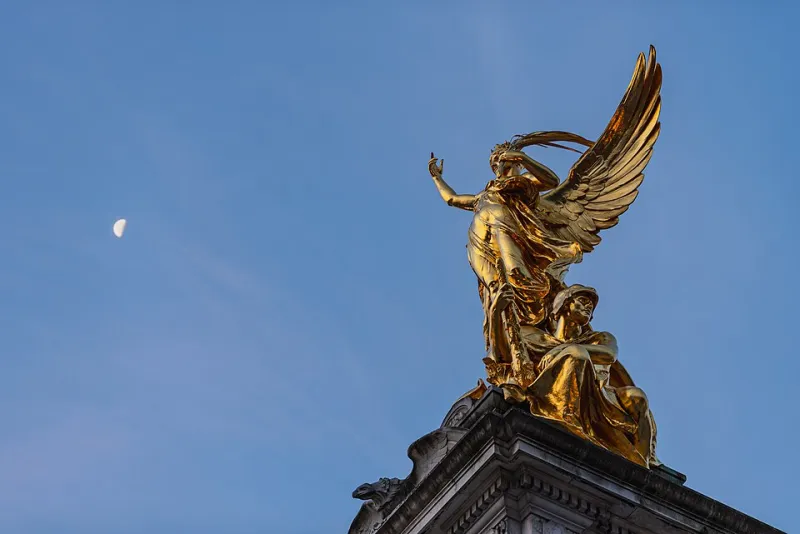
Photo: Julian Herzog (Website), CC BY 4.0, via Wikimedia Commons
London doesn’t close. It changes staff. At about 2.50am on a damp November night in 2026, the city stops being a venue and starts being a workplace. The last stragglers are looking for a bus; the next shift is looking for a loading bay. You are not the main character after 3am. You’re a guest.
That’s the first rule of what we’re calling the small-hours field guide. This isn’t a nostalgia trip about chirpy cockneys and fog. It’s a practical map of the odd corners where London’s night machinery becomes briefly visible — and a note on how to be curious without being a nuisance.
Look for light, not lore
Night shifts rarely announce themselves with a big sign. They show up as steam from a bakery vent, a cabin light at a lock, a van with its hazards on outside a shop with a shattered window. The trick is to read the city like a timetable: who is opening, who is cleaning, who is waiting for a delivery.
Bring a coat, a charged phone and a bit of self-awareness. Don’t bring a ring light and a plan to “capture authentic London”. The people doing the work are not content. They’re on the clock.
Smithfield: the meat porters’ half-hour
Around Smithfield, the small hours have a different rhythm. Long before the office workers arrive, the meat porters and market crews are moving stock, stacking crates and doing the kind of brisk, practised dance that makes a loading bay look choreographed. The market’s long-term future has been argued over for years, but the early-morning work is still a working reality rather than a heritage exhibit.
If you’re nearby, keep to the pavement, don’t block loading bays and don’t photograph faces without asking. The reward is simple: you see a city doing its job. The smell of cold meat, diesel and wet stone is not a vibe; it’s a workplace. Treat it like one.
Teddington Lock and the Thames night watch
Out west, the river has its own night staff. Thames lock keepers keep an eye on boats, water levels and the slow ballet of locking through. You won’t get a 3am tour — a lock is not a theme park — but you can see the edges of the shift: a cabin light, a boat waiting, the keeper’s kettle doing its bit for civilisation.
First light is the better bet. Stand on the towpath, keep well back from the lock gates, don’t shine torches at boats and don’t climb anything that looks like it might be load-bearing. The river is beautiful at dawn precisely because it is still a piece of infrastructure. Respect the machinery and you’ll get a better view.
The 4am bakery round
Follow your nose to the industrial estates. Around 4am, bakery rounds are in full swing: vans reversing, crates stacking, the smell of hot dough drifting across a car park that has no business smelling that good. Bermondsey, Walthamstow, Park Royal — the exact postcode matters less than the pattern. Look for loading bays, shutters up, and drivers who know exactly how many seconds they have before the next drop.
Don’t ask for a photo of the dough. Don’t stand in the delivery lane. Do buy something later from the shop that benefits from the round. The best night-owl move is not “I saw the real London”; it’s “I bought a sausage roll and said thanks.”
Emergency glaziers: the 4am fixers
Then there are the emergency glaziers. You’ll spot them on high streets after a break-in: a van with a ladder rack, a roll of plywood, a bloke measuring a shopfront while the rest of the street sleeps. It’s not a spectacle. It’s someone cleaning up another person’s bad night.
Give them space. Don’t film. Don’t ask what happened if there’s a police cordon nearby. If you’re a passer-by, the correct contribution is zero. The interesting bit is the logistics: the 24-hour glass supplier, the petrol station coffee, the quiet competence of making a hole in a shopfront safe before sunrise.
How to do a small-hours crawl without being a pillock
- Plan your exit before you leave. Check night bus and Night Tube options, and have a backup route that doesn’t involve a 40-minute walk through an industrial estate at 4am.
- Carry a card, not a camera. Most places are cashless; asking to pay by card is less annoying than asking for a photo.
- Buy the coffee. If a 24-hour petrol station or cafe is your observation post, buy something. It’s not a museum.
- Ask before photographing people. “Can I take a picture of the crates?” is a different question from “Can I take a picture of you?”
- Don’t block loading bays, doors or pavements. The night shift has a schedule. You don’t.
- Leave when you’re told. A polite “you can’t stand there” is not an invitation to negotiate.
The map, roughly
- Smithfield perimeter, 3am–5am: visible loading, crates and the cold-start ballet of the meat trade. Stay on public pavements.
- Teddington Lock, first light: cabin lights, boats and the river’s slow machinery. Keep back from the gates.
- Bakery industrial estates, around 4am: vans, crates and the smell of hot dough. Don’t block the lane.
- Any high street with a glazier van: the quiet aftermath of a break-in. Give space and don’t film.
- 24-hour petrol stations: the unofficial waiting rooms of the night shift. Buy a coffee and people-watch without being weird about it.
These are edges, not attractions. The point isn’t to “infiltrate” the night shift — it’s to notice that the city you’re stumbling home through is being held together by people who clock in when you clock out. Here at 10nd0n, we like a weird night out as much as anyone. But the best small-hours move might be the walk home where you finally see who’s still working.