Proof at 3am: The London Night Out That Ends With a Warm Bag
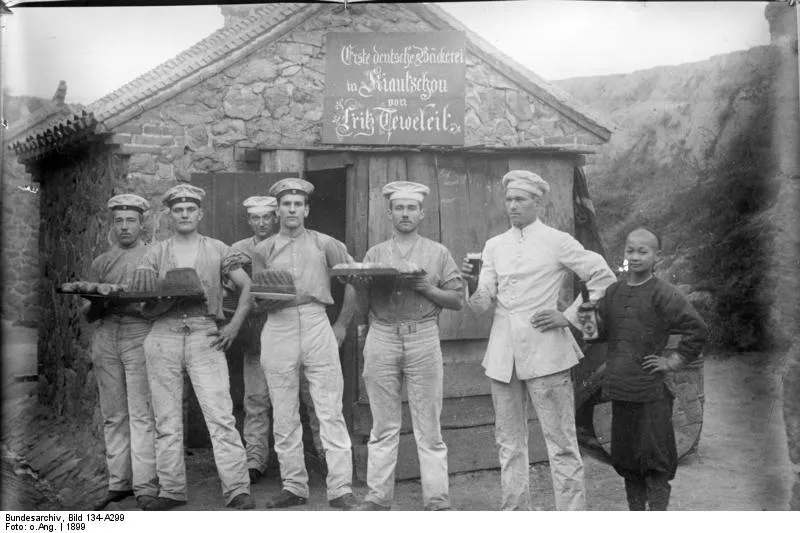
Photo: Unknown authorUnknown author, CC BY-SA 3.0 de, via Wikimedia Commons
Clubs are designed to make you feel lucky. Bakeries at 3am make you feel awake. One costs £15 before you’ve even found your coat; the other costs about £3 and leaves you holding something warm that isn’t a stranger’s hand. In November 2026, with the city already pretending it’s Christmas and the pavements cold enough to chill a negroni, the smartest late-night crawl in London runs on flour.
This is not a food tour. It is a route. It starts after last orders, peaks when the first loaves come out, and ends with a paper bag that steams up the bus window. The dress code is a coat. The vibe is “the city is waking up and I have beaten it to the kettle”.
The rules of the dough crawl
First, timing. A bakery crawl is not a pub crawl with carbs. You are not trying to eat five meals. You are trying to catch the night shift at its most interesting hour: the bit between “the ovens are on” and “the shops are ringing”.
Second, numbers. Keep the group small. Four is plenty. Eight is a queue with opinions. The night baker does not want to become a tour guide, and the regulars do not want to become an audience.
Third, money. A tenner is the challenge, not the ceiling. Bus fare, one hot drink, one beigel, one pastry. If you start adding salt beef and a second coffee, that’s your business, but the purity of the thing collapses.
Fourth, don’t be a dough tourist. Ask before you photograph. Buy something before you loiter. And if a place is wholesale-only, accept the locked gate like an adult.
Stop one: the 24-hour beigel belt
Start on Brick Lane. At midnight it is still doing its thing: cabbies, nurses, people who have just realised they are hungry, people who have just realised they are not going home yet. The 24-hour beigel shops here are not romantic. They are bright, brisk and slightly judgmental about your life choices. Perfect.
Order like you mean it. A plain beigel and a tea is the budget move. A salt beef beigel is the “I have had a week” move. Eat it outside, because the steam is the point. The first bite is hot enough to make you say “oh” in a way that sounds faintly medical. Then the cold air hits your face and the whole thing clicks: this is the anti-club night out. No guest list, no DJ, no one asking if you’re on the list. Just bread, salt and a bin you can’t quite find.
The queue moves fast, but it is also a useful barometer. Listen to it. You’ll hear the city’s night shift swapping notes: who’s finishing, who’s starting, who’s had the sort of shift that deserves a beigel and a lie-down. This is the closest London gets to a 3am village hall.
Stop two: the industrial oven hour
Between 2am and 4am, the real bakery shift is underway in the unglamorous bits: the estates around Bermondsey, Hackney Wick, Park Royal, the units where the windows are fogged and the loading bay is lit like a stage. Not all of these have a shop. Some are wholesale only. The trick is to find the ones with a hatch, a counter or a small shop that stays open for the early shift. Check ahead. Hours change. Nobody wants to discover the romance of the night baker by rattling a locked door at 3:15am.
A night baker in Bermondsey, who asks not to be named because she is busy and because I am not her boss, tells me the first loaves are never really for the public. “They’re for the shops,” she says. “You’re watching the city’s breakfast being born.” She describes the smell as “yeast, hot metal and regret”. I ask if that’s a quote. She says, “It’s a Tuesday.”
That is the tone of the night bakery: dry, tired, quietly proud. The bakers are not performing. They are proving. If you stand there politely, buy a loaf or a bun, and don’t block the loading bay, you get a glimpse of a London that is not asleep and not awake — just working. The ovens hum. The racks clatter. Someone says “mind your back” and means it.
Stop three: the bench test
Take your warm bag to a bench. Any bench. The one outside the closed pub, the one near the bus stop, the one you’d never sit on in daylight. This is the bit where the night out turns into a morning. The bag should be warm enough to justify the walk. The first loaf should be too hot to tear neatly. You will see street cleaners, early-shift workers, a fox with somewhere to be and one person walking a dog that looks like it has seen things.
This is not the part where you take a photo of your feet. This is the part where you eat a bit of bread, say “that’s good”, and feel briefly smug about not being in a club. The tenner test still applies. If you have a pastry left and a bus fare home, you have won.
The tenner test
Here is the budget, roughly: one beigel, one tea, one pastry, one bus fare. That’s your tenner. If you walk instead of taking the bus, you can upgrade the pastry. If you take the bus both ways, you’re probably still fine, unless you have expensive tastes in laminated dough. The whole point is that this is a night out for people who are tired of paying to stand near a speaker.
Why it works
Night bakers are the last honest critics of London nightlife. They don’t care about your outfit. They don’t care about your Instagram. They care whether the dough has proved and whether you’re standing in the way of the rack. That is a refreshing energy at 3am. The city is not asleep; it’s just working a different shift. And for the price of a pint, you can stand near it, smell it and take a warm bag home.
This is 10nd0n’s kind of night out: low stakes, high steam, no queue for the toilet. Start after last orders. End with something still warm. Try not to eat the whole loaf on the bus. You will, though. Everyone does.